
The De Minimis Crackdown: How Regulatory Shifts are Stranding Direct-to-Factory Manufacturing Networks
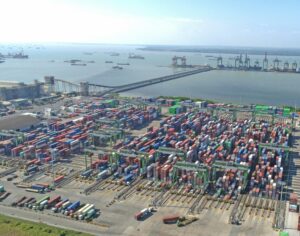
The indefinite suspension of the de minimis customs exemption has instantly dismantled the low-cost, direct-from-factory delivery model relied upon by cross-border supply chains. Manufacturing networks optimising for high-frequency, low-value component imports face sudden customs stagnation and unexpected tariff exposures.
In late June 2026, U.S. Customs and Border Protection (CBP) enacted an interim final rule indefinitely suspending the de minimis administrative exemption, which previously permitted imports valued at $800 or less to enter duty-free with minimal inspection. All commercial imports arriving via maritime, air, and trucking lanes must now undergo formal customs entry procedures, exposing them to standard tariffs and rigorous compliance checks. This regulatory shift directly impacts industrial manufacturers utilising just-in-time parcel delivery for small-batch electronic components and specialised assemblies.
This disruption coincides with a severely overheated ocean freight market. According to June 2026 data from Drewry’s World Container Index, spot rates from Shanghai to Los Angeles surged to $4,565 per forty-foot equivalent unit (FEU), driven by an exceptionally early peak season, carrier capacity controls, and port congestion. Manufacturers attempting to pivot from micro-parcel shipping to bulk ocean freight are confronting an extremely tight transportation market with declining schedule reliability, which remains highly vulnerable to sudden supply chain shocks.
The operational shock of the de minimis suspension exposes a fundamental vulnerability in cross-border manufacturing structures. For years, supply chain managers built logistics frameworks around the assumption that the $800 duty-free threshold was a permanent operational feature. By utilising direct-from-factory parcel shipping, companies bypassed regional warehousing overheads and customs brokerage fees.
The sudden removal of this exemption triggers compounding operational failures:
-
Customs Clearance Stagnation: Small-batch components that previously cleared borders within hours are now subject to formal customs documentation, country-of-origin validation, and frequent physical inspections. This administrative burden delays production schedules for facilities relying on precise component synchronisation.
-
Sudden Margin Erosion: Shifting to formal entry forces manufacturers to absorb standard import tariffs and processing fees on items previously exempted. For electronic and machinery components, these duties directly erode the cost advantages of foreign sourcing.
-
The Inbound Capacity Squeeze: Attempting to mitigate these parcel-level costs by consolidating shipments into bulk ocean freight forces manufacturers into an overheated maritime market. With container spot rates rising and carriers executing blank sailings to manage capacity, small-to-medium manufacturers lack the volume leverage to secure reliable vessel space.
To understand this further, the following table presents the duality of the operating models.
| Strategic Dimension | Conventional Obsolescence (The Old Way) | Resilient Optimisation (The New Way) |
| Borders and Compliance | Relying on regulatory exemptions and administrative loopholes to sustain cross-border cost advantages. | Integrating automated trade compliance tools and auditable decision logs into the core ERP architecture. |
| Inbound Logistics | Fragmenting supply chains into high-frequency, direct-from-factory parcel shipments with zero domestic safety stock. | Utilising bonded warehousing, regional consolidation hubs, and localised buffer inventory to absorb transport friction. |
| Transportation Strategy | Reacting to spot market spikes through emergency freight tenders and ad-hoc carrier selections. | Transitioning to autonomous tendering frameworks that dynamically adjust routing based on live network capacity. |
References
-
U.S. Customs and Border Protection, Interim Final Rule: Suspension of De Minimis Administrative Exemptions for Commercial Imports, Federal Register, published June 2026.
-
Drewry Shipping Consultants, World Container Index – June 2026 Report, published June 2026.
-
S&P Global, US Manufacturing Purchasing Managers’ Index (PMI) Survey, published 1 July 2026.
-
Xeneta Data Platform, Global Container Ocean Freight Intelligence Report, published June 2026.