
The Single-Source Concentration Trap: Proving the Fragility of Multi-Tier Automotive Supply Networks
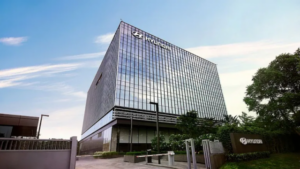
A single supplier facility fire cut Hyundai Motor India’s June 2026 production by approximately 13,900 vehicles, exposing the chronic fragility of single-source component reliance. This operational bottleneck highlights why traditional single-tier procurement models fail under sudden sub-tier crises.
Regulatory filings released on 1 July 2026 reveal that Hyundai Motor India Limited experienced a major manufacturing deficit during June 2026. A severe fire at a primary Tier-1 component supplier facility, Mobis India in Chennai, abruptly cut off the supply of critical automotive modules. This localized disaster resulted in an immediate production loss of approximately 13,900 vehicles, causing domestic dispatches to fall by 9.97 per cent year-on-year to 39,635 units.
While the automaker managed total monthly sales of 51,335 units by drawing down existing network inventory, the operational halt significantly impacted production of high-demand models like the Creta SUV. Operations normalized across assembly plants on 22 June 2026 after procurement teams established emergency parts sourcing from alternate international locations. Leadership expects to recover the lost production volumes during the second quarter of the 2026–27 financial year, yet the incident highlights a persistent structural flaw in just-in-time procurement models.
The assembly line stagnation experienced by Hyundai Motor India exposes the compounding financial risks embedded within single-tier supplier relationships. Modern manufacturing paradigms that prioritise immediate volume discounts over network redundancy inadvertently convert single-source facilities into strategic single points of failure. When a localized physical disruption occurs, downstream operations are completely paralyzed.
Activating alternative sourcing routes during an active crisis forces companies to absorb steep premium costs. The immediate requirements of expedited international logistics, rapid component validation, and temporary tooling adjustments severely compress operational margins. Furthermore, most industrial organisations suffer from a complete lack of multi-tier supply chain transparency. Disruptions originating deep within the sub-tier ecosystem propagate upstream completely undetected, preventing procurement directors from taking predictive action before assembly lines halt.
Evaluating structural resilience requires a complete transformation of core manufacturing procurement philosophies across three critical dimensions.
Regarding sourcing architecture, conventional procurement strategies heavily concentrate component volumes with a single Tier-1 supplier to leverage maximum economies of scale. Progressive operational resilience mandates the implementation of dual-sourcing or regional multi-sourcing frameworks. This approach distributes risk across geographically independent nodes, ensuring that baseline operational continuity is maintained even if a primary hub goes offline.
In the domain of network visibility, traditional supply chain management focuses strictly on monitoring the immediate operational and financial health of Tier-1 partners. This localized view leaves the organisation vulnerable to unmapped sub-tier shocks. Resilient optimization requires continuous, n-tier visibility mapped directly down to the part-site level. This level of granularity provides early warning indicators of supplier distress or regional disruptions before they impact final assembly.
Finally, standard contingency engineering typically treats disruptions reactively, relying on emergency spot-market buying and expedited freight logistics to patch network holes after a failure. Resilient engineering proactively designs flexible product architectures that tolerate alternative components without requiring lengthy re-qualification processes. This structural agility allows procurement teams to dynamically reallocate purchase orders across pre-approved alternative suppliers the moment a disruption signal is detected.
References
-
Hyundai Motor India Limited, Regulatory Sales Filing for June 2026, published 1 July 2026.
-
BSE India & Corporate Disclosures, Operational Normalisation Update: HMIL, published 1 July 2026.
-
Drewry Shipping Consultants & Resilinc Intelligence, Automotive and Industrial Sourcing Resilience Index, published June 2026.